
Why your supermarket shop costs more than the recipe says
Every “dinner for £1.50 a head” video has a comment underneath it saying the shop came to £40. Both numbers are usually right. The recipe prices what you use: 100 g of rice, half a tin of beans, a tablespoon of oil. The till prices what you buy: the 1 kg bag, the whole tin, the bottle. The gap is not a trick, it is packs.
One dinner, two numbers
Take Mujadara, the cheapest plate in our Tesco week at £1.47 for two. Cook it once, from an empty cupboard, and you buy a bag of lentils, a bag of rice, onions, a bottle of oil and the spices. The basket is several times the plate cost, and most of it is still in the cupboard afterwards. Cook it again next week and the second plate really does cost £1.47.
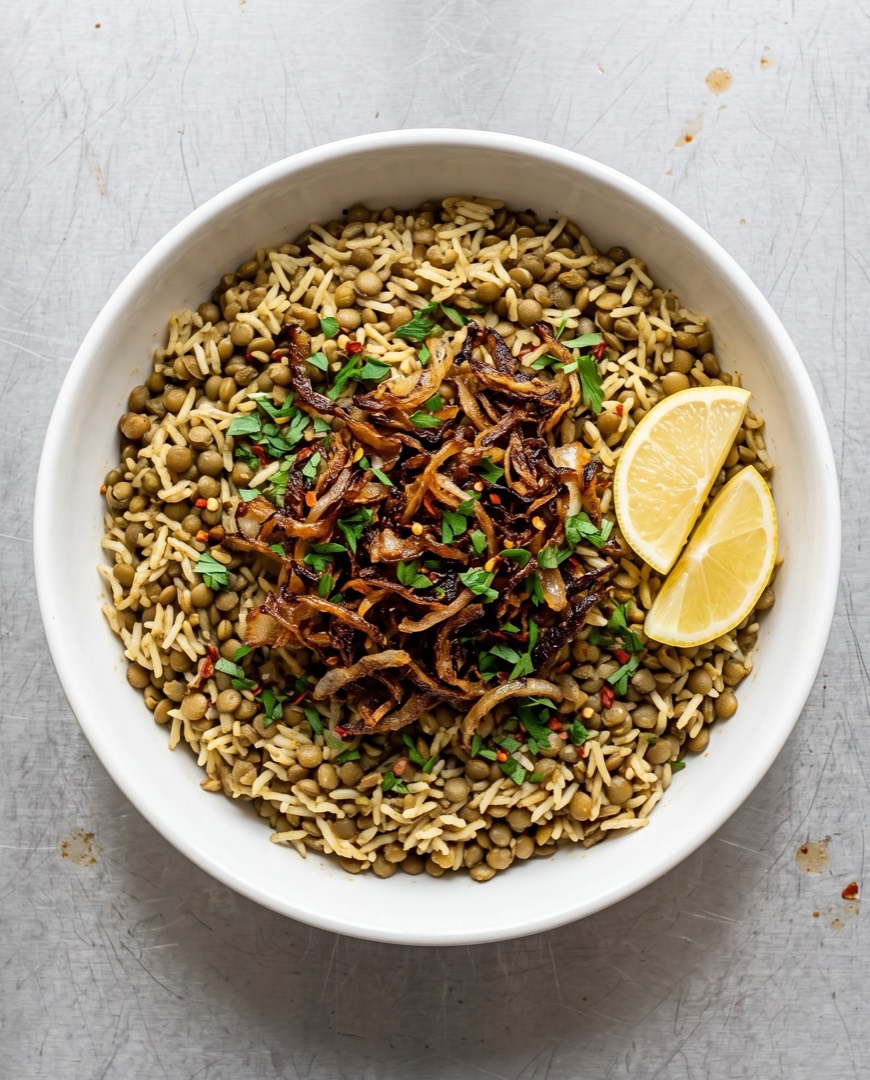 Mujadara45 min · 18 g protein · £1.47 for two
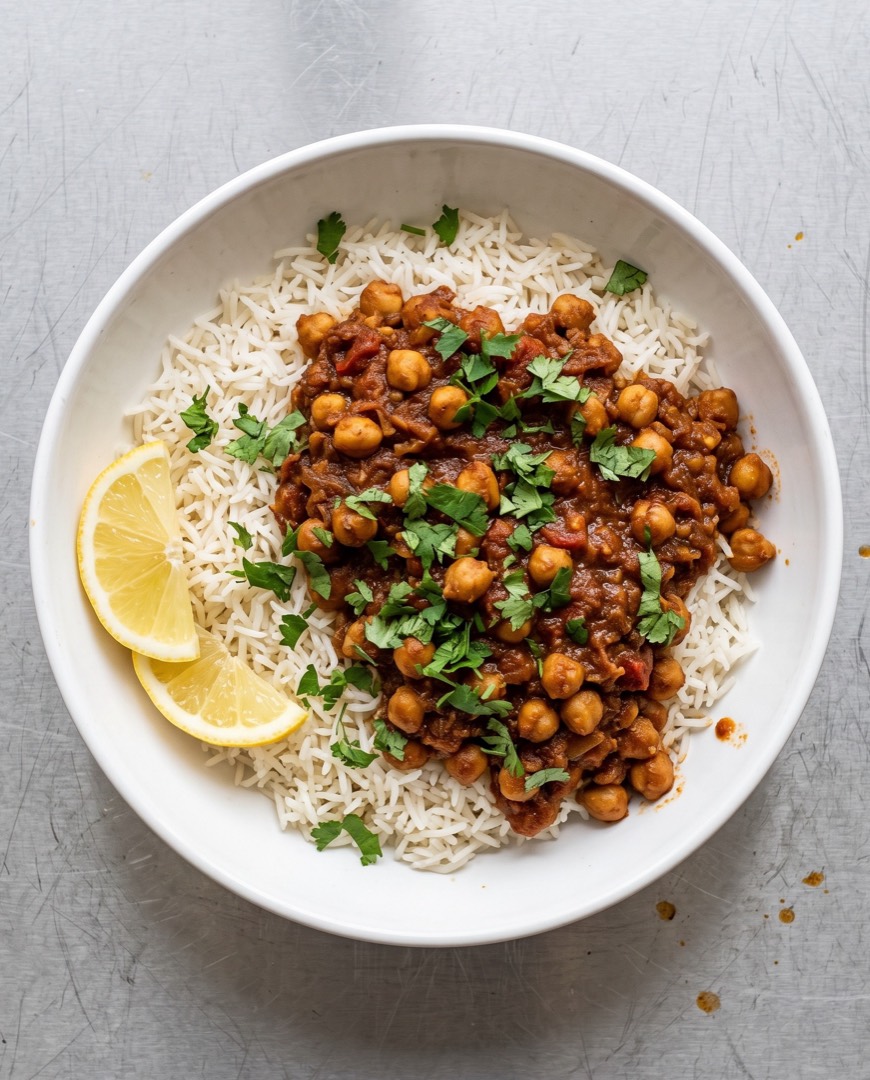 Chana Masala30 min · 25 g protein · tinned chickpeas
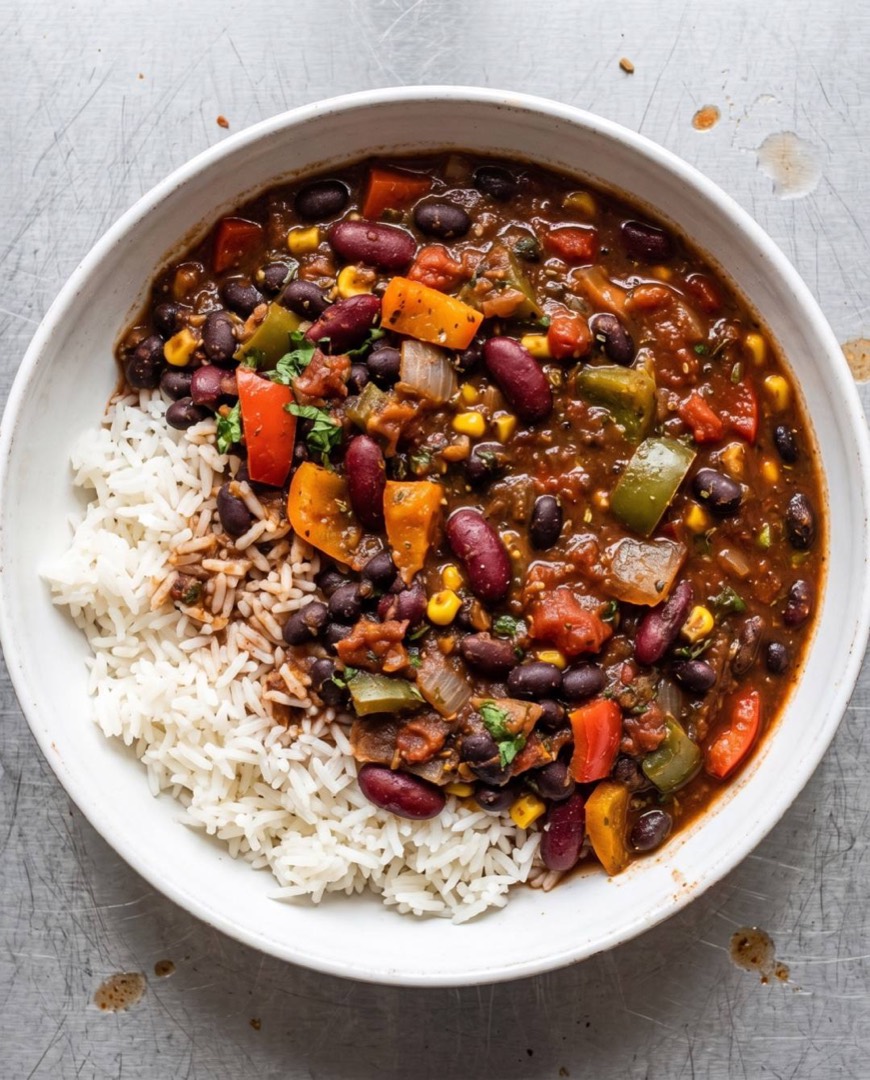 Veggie Black Bean Chilli35 min · 15 g protein · tinned beans
Where the gap comes from
- Cupboard staples. Oil, spices, stock cubes, soy sauce, vinegar. A week of dinners can need twenty of them. In our Tesco week they come to £30.80 if you have none, and roughly nothing if you have a stocked cupboard. This is the single biggest reason two people get wildly different totals for the same plan.
- Pack sizes. Rice comes in 1 kg, pasta in 500 g, chicken in 650 g trays. A recipe for two uses a fraction. The rest is next week’s dinner, if next week’s dinner uses it.
- Fresh herbs and half-vegetables. Half a bunch of coriander and half a pepper are the things that go in the bin. Recipes that share them across the week stop that.
How to plan so the gap closes
Plan the week, not the dinner. When seven dinners are chosen together, the 1 kg of rice feeds three of them, the coriander goes in two, and the chicken tray is split across Monday and Thursday. The till total barely moves, but the amount you actually eat goes up, which is the same as the food getting cheaper.
That is why Quickle shows both numbers on every week: what the dinners use, and what the basket costs, with cupboard staples listed separately so you can tick off the ones you already have. The week pages below show the two figures side by side for each shop.
What a real week looks like
Seven dinners for two, every ingredient priced, with the food cost and the till cost shown separately: Tesco · Aldi · Sainsbury's · Asda · Morrisons.